Culture is the basis of every society, including business organizations where plenty people gather, interact, and do things together. As a set of beliefs, behaviours, systems, symbols and values, organizational culture is held to make the working process going well and achieve the expected objectives (Mullins 2016). Understanding the cultural factors in a company is a key aspect to develop and improve the business effectively.
Whenever and where markets arise, beauty and business appear most closely connected throughout the transforming periods (Scranton 2001). As the globalisation era took place and changes are necessarily inevitable, the rising trends of fast beauty companies set beginning of a new epoch. Fast Beauty typically represents companies that prioritise staying on top of buzzy trends and formulations by drastically slashing the turnaround time required from product conception to launch. In an incredibly competitive, innovation-driven market, this type of agility can be crucial to an emerging brand’s success. In accordance to speedily capitalise the fast-changing trends, the time needed for beauty companies in developing, measuring as well as optimising new products has become much shorter (Unterberger 2018).
The beauty industry has also been and remains intensely personal, which sparks the rising need of a persona to represent the brands, and the company we are about to discuss here is decisively no exception. Kylie Cosmetics and Kylie Skin, beauty brands founded by the social-media superstar Kylie Jenner, embarked on the industry in 2016 and 2019. The brands soon soared high as one of the most hyped-up among the fans and customers, mostly millennials, and it reflected on their revenue in just a few years after hitting the market. The success of the companies strongly relates to Kylie’s personal branding on her abundant followers. Kylie is a leader whose followers can be categorized as active and highly-engaged ones who act accordingly, are eager and energetic, as well as effectively encouraged towards committed investment (Kellerman 2007).
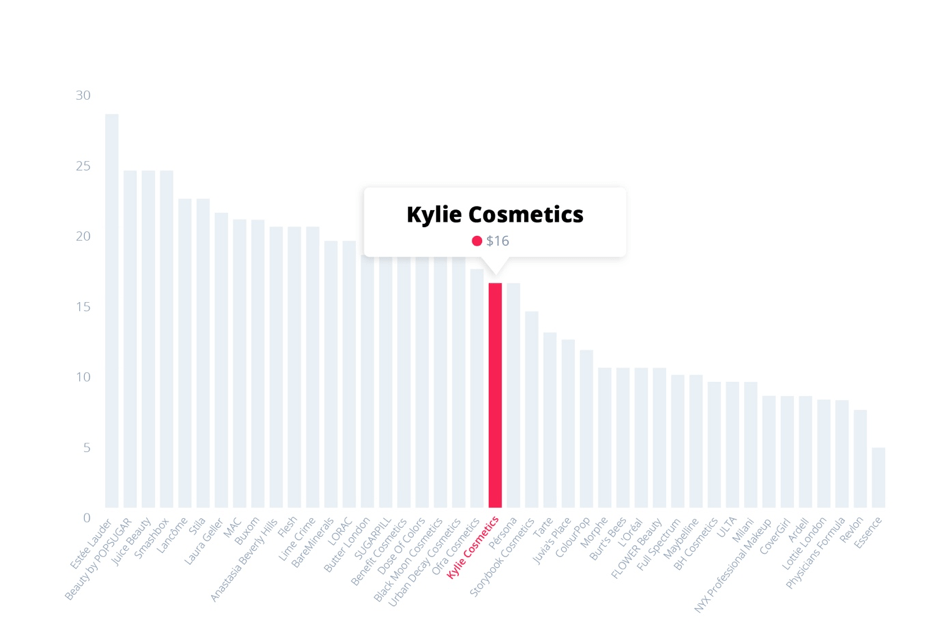
Figure 1. Brand Position of Kylie Cosmetics in terms of revenue, 2019
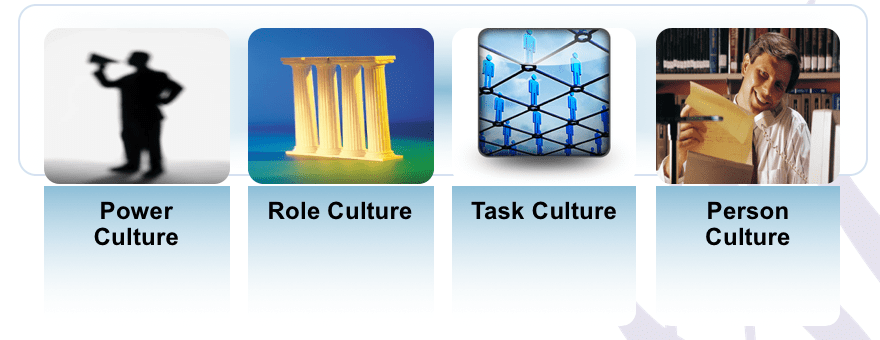
The beauty company runs through the Power Culture, where Kylie Jenner is the dominant leader who strongly influences the whole company and affect in decision making, the organisation is considered unstable in terms of their ethical and cultural values. Power culture is more suitable for small entrepreneurial organisations since it relies on central power, informal communication and trust. The culture places considerable demands on staff, while the competence, flexibility, and dynamism of the central power force, often the owner, are essential (Brooks 2009).
Kylie Beauty soon received a huge backlash as soon as it was released regarding various ethical and cultural issues. For instance, only in three months after the launch in May 2019, Kylie Skin faced a trademark suspension due to a patent registration issue (Wright 2019). These are some triggering events involving the brand throughout their short periods of time in the industry;
- Discriminating Advertisements
In October 2018, Kylie Cosmetics was lambasted for releasing advertisements comparing cleft-lip and clef-palate children to “monsters.”
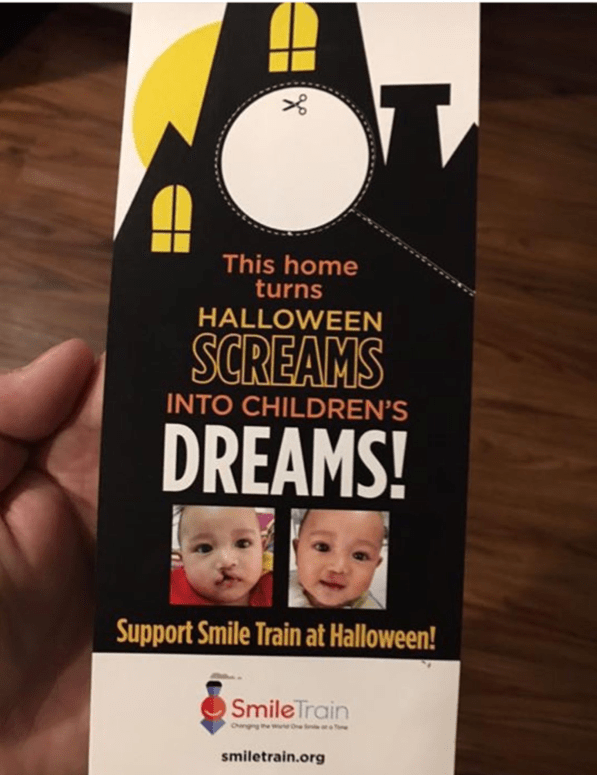
This type of campaign is an example of objectionable marketing approach, specifically it is discriminatory. Ethical principles are very important in regulating business campaigns, as emphasized by the ICC (International Chamber of Commerce) Codes that every marketing approaches must have a due sense of professional and social responsibility. The ICC further stipulates that commercial strategies should value human dignity and not encourage or endorse any form of discrimination, including discrimination based on race, nationality, religion, gender, age, disability or sexuality (Jimenez and Pulos, 2016).
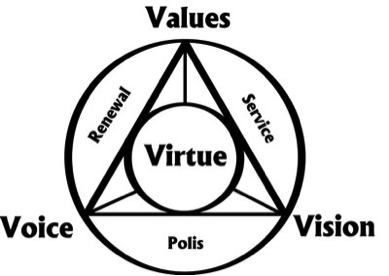
As an essential term to an organisation, ethical leadership requires leaders or managers to understand the core values and to live them in all aspects of life for the common good. With this discriminating campaign, Kylie Cosmetics clearly do not show a good ethical leadership that promote value as one of the most important points. It is the leaders’ responsibility to regularly consider whether actions are consistent with values and vision (The Center for Ethical Leadership, 2014).
- Controversial Products and Ingredients
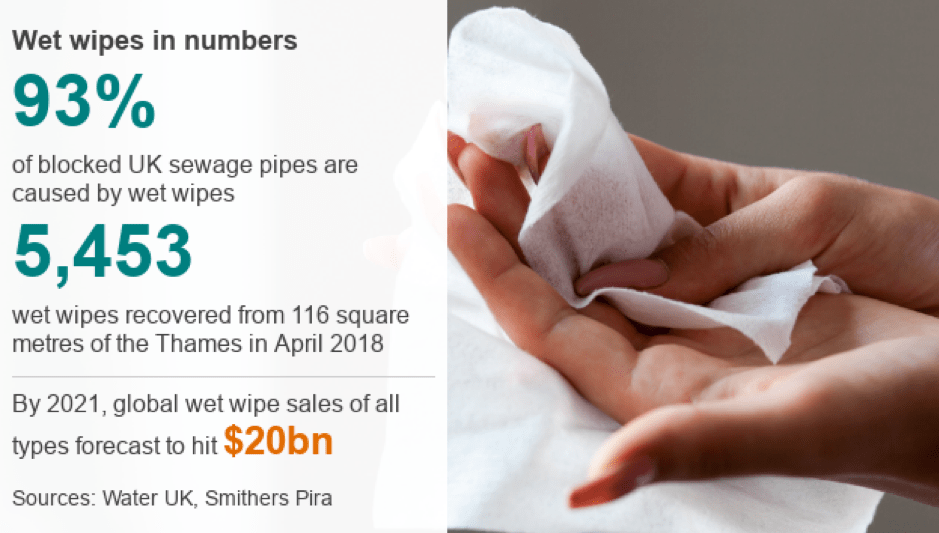
Kylie Skin released products which sparked heavy arguments; Walnut Face Scrubs and Cleansing Wipes. Walnut use in face products have long been a source of controversy in the skincare community, with nearly all enthusiasts agreeing the unhealthiness as the physical exfoliant is believed to form microscopic tears on the skin, leaving it more vulnerable to bacteria while inducing long-term damage and sensitivity. The claim was then confirmed by Dr. Marla Diakow, a dermatologist with Schweiger Dermatology Group in New York, clarifying that walnut-based scrubs are too abrasive and harsh for facial skin (Pham 2018). Furthermore, such ingredients can literally rip the upper layers of epidermis which leads to risk of inflammation, disruption of skin’s protective barrier and exposing to textural and pigmentation issues (Bryan 2019). In addition, cleansing wipes are one of the beauty products to mainly avoid for environmental protection measures, since most of them are made from polyester and contain non-biodegradable materials (BBC News 2018).
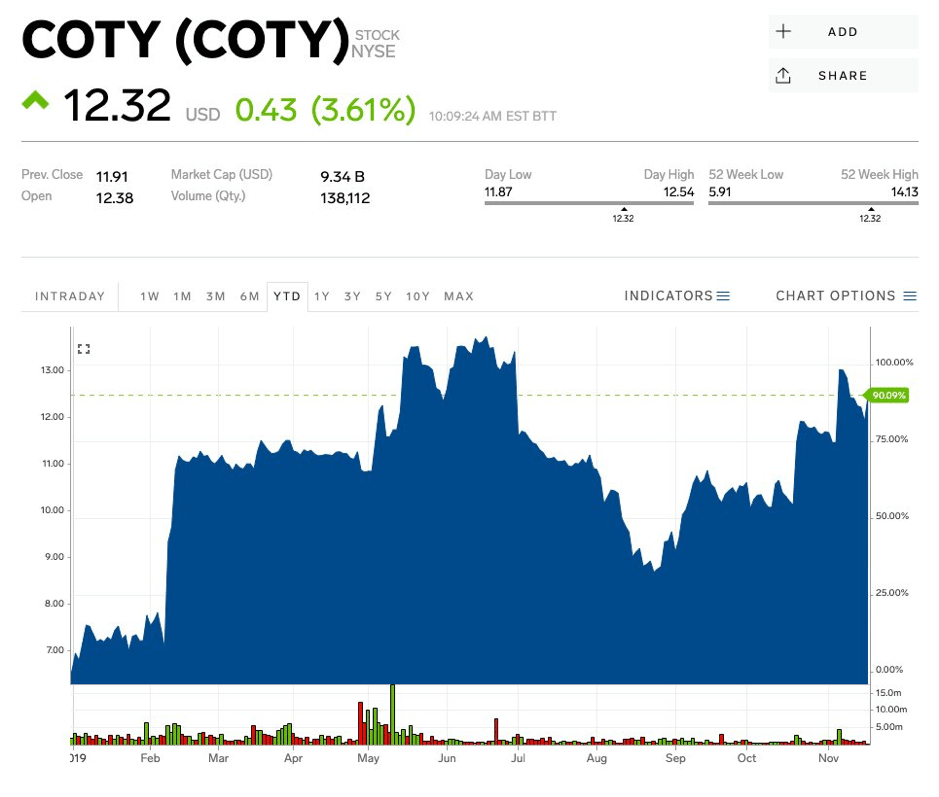
Despite various controversies and surrounding issues, Kylie Cosmetics succeeded in performing extraordinarily well in the growing popularity and enormous sales, which is shown in its stable revenue and stock growth over the years. On November 2019, Kylie Jenner decided to sell majority stake (51%) of Kylie Cosmetics to Coty Inc. for a fantastic $600 Million (Coty 2019). Coty Inc. directly face a notable growth in their share value after the acquisition took place.
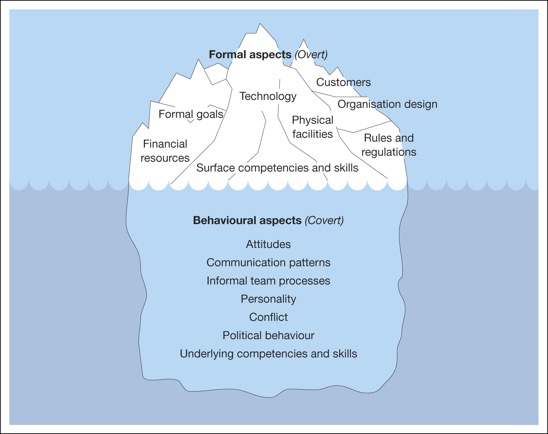
The phenomena can be perceived as a reflection of the organisational iceberg, where all the formal aspects are displayed on the surface, but there are actually plenty of unseen behavioural aspects which remain covert inside the company.
What’s Next for Kylie Beauty?
The fast beauty industry is currently undergoing major dynamics regarding ethics and culture within the company. Several changes are necessary, including the organisational culture which represent how things are done in the industry, to improve its performance and enhance the business sustainability. Kylie Skin and Kylie Cosmetics are growing bigger, so a Role Culture will be more suitable to support and sustain the development. On the other hand, the industry needs to put more ethical principles into practice, for strengthening the organisation structure and enabling it to last longer in the future.
References:
Brooks, I. (2009) Organisational Behaviour. 4th edn. Essex: Pearson
Bryan, C. (2019) Here’s Why Everyone’s Mad about Kylie Jenner’s New Walnut Scrub [online] available from https://mashable.com/article/kylie-jenner-walnut-scrub-controversy/?europe=true [10 February 2020]
Burnes, B. (2017) Managing Change: A Strategic Approach to Organizational Dynamics. 7th edn. Harlow: Pearson
Coty. (2019) Coty and Kylie Jenner Announce Strategic Partnership to Expand Beauty Brands Globally [online] available from https://www.coty.com/in-the-news/press-release/coty-and-kylie-jenner-announce-strategic-partnership-expand-beauty-brands [10 February 2020]
Jimenez, G. and Pulos, E. (2016) Good Corporation, Bad Corporation. New York: Open SUNY Textbooks
Kellerman, B. (2007) ‘What Every Leader Needs to Know About Followers’. Harvard Business Review, 85 (12), 84-91
Mullins, L. J. (2016) Management and Organisational Behaviour. 11th edn. New York: Pearson
Pham, J. (2018) 7 Shocking Kylie Cosmetics Scandals that Might Make You Stop Shopping There [online] available from https://stylecaster.com/beauty/kylie-jenner-cosmetics-gross-scandals/ [10 February 2020]
Scranton, P. (2001) Beauty and Business: Commerce, Gender and Culture in Modern America. New York: Routledge
Unterberger, L. (2018) Is ‘Fast Beauty’ Plagued by The Same Ethical Challenges as Fast Fashion? [online] available from https://fashionista.com/2018/07/fast-beauty-business-industry-problems [12 February 2020]
Wright, T. (2019) Kylie Jenner’s New Skincare Line Faces ‘Suspension’ by Patent Office for Trademark Issues[online] available from https://www.dailymail.co.uk/tvshowbiz/article-7278127/Kylie-Jenners-new-skincare-line-faces-suspension-patent-office-trademark-issues.html [12 February 2020]
 Wardah Nafisah
Such a lovely blog with useful information. Please keep doing it. I’m a big fan of you ❤
I’m interested with the Role Culture that you choose to be the most appropriate organisational culture for the company, but I think Task Culture will do more effective. What’s your thought about it?
LikeLike
Thank you so much, flattered! As for Kylie beauty company, Task Culture won’t be proper since it is focused on the team’s tasks rather than visionary future. The company’s vision where “Kylie’s never-before-seen concept disrupted the market and changed the face of the beauty industry forever” (Kylie Cosmetics, 2018) implies why Role Culture is the most appropriate culture as the company is continuously growing bigger with wide-range of aspects and various departments involved.
LikeLike
This is a well structured blog. I like the use of diagram illustrations and videos to further explain your points. I’ve learned something new by just going through your blog. I didn’t know Kylie Jenner had a backlash in her cosmetics business. Interesting Blog. Job well done.
LikeLike
Thank you for taking time to go through what I wrote. Yes the issues might not be heard widely, but it’s certainly not new for Kylie’s followers/fans as she highly engaged with them, so the public will easily notice things going on around her. Her ability to manage and exploit her popularity for business advantage is a smart move must be recognised.
LikeLike
I really like how you managed to explain a subject thoroughly yet very interesting, what are your thoughts on the future of organizational culture?
LikeLike
Thanks a lot! A healthy organisational culture is now being lauded as the secret weapon to win the hearts and minds of employees in this growing economy (Schwantes, 2017). In relation, as the world is moving fast and globalisation becomes widely applied, industries will put more attention and take more serious efforts to build a good culture.
LikeLike
Hey Wardah, I’m really impressed with the blog you’ve written. You explained everything with precision.
In my opinion too, it is very important for companies to have certain organisational structures and culture which will benefit not only the companies but it’s employees too.
Keep up the good work, looking forward to other blogs as well. 👍🏼
LikeLike
Hi Roohi, thank you so much that’s so sweet of you. Yes, exactly! When leaders get the culture right, it’s like catching lightning in a bottle. It becomes one of the most treasured elements to transform the employee experience from one that drains and discourages, to one that energises and empowers (Schwantes, 2017). Hopefully higher awareness and implication of a healthy organisational culture brings brighter future for businesses.
LikeLiked by 1 person
Nice discussion! In your opinion, what is the most challenging organisational culture issue for the fast-beauty industry to face in the future? How do you suggest the company deal with it?
LikeLike
Hi, thanks! Fast-beauty is a ‘new’ field of industry to begin with, so there are still growing rooms for development and changes. In my opinion, the industry’s biggest challenges will be ethical values, for instance, environmental sustainability and product copyrights. To deal with it, as Remy Klein (marketing director of e.l.f.) put it, being fast today isn’t enough, we need data and insight of what consumers want and the market direction to be able to compete. Continuous research and development are necessary to make sure the company stays in the right path.
LikeLike
Very interesting topic to begin with, you precisely pointed out essential key factors.
It’s not easy to balance all aspects within an industry, let’s have a look at the 4V model you’ve mentioned. If I were to be a leader facing a difficult situation where I can’t handle to promote all aspects, which point that you think should be prioritised, and why?
LikeLike
This an interestingly great question! It would be hard having to choose which to prioritise since every aspects are equally necessary and there to be balanced rightfully. The 4-V model helps align the internal beliefs and values with the external behaviours and actions for the purpose of the common good (CULC 2020). However, I would say the Value and Vision are the two most important aspects as Values carry ideas as to what is right, good or desirable and influence behaviour, perception and motivation, while Vision frames the goals/objectives of actions.
LikeLike
A great piece of work by you wardah. You totally elaborated the topic of organizational cultures and thoroughly explained it with a quite realistic example of kylie cosmetic industries. Do you believe that the same strategies of managing cultures are also followed by other alternative cosmetic brands as well?
LikeLike
A wonderful piece of work by you which is really appreciatable Wardah. The way you elaborated the topic and explained was really helpful. Do you believe that other alternative cosmetic brand industry also follow the same strategies for managing cultures? Also, what is the future of such strategies?
LikeLike
Thanks a lot! Of course each company has different approach to manage culture, depending on the values they believe in. Let’s say we have Estee Lauder which is an ‘old’ player, one of the leaders in the beauty industry, with numerous products and subsidiaries operating around the world, they have more settled strategies to deal with different nationalities, more dynamics in administering the diverse culture, as well as stronger brand values proven throughout the time (Mau, 2016). As with Kylie Cosmetics and Kylie Skin, I’d say they still have a lot to work on in order to achieve the lead. In the future, sustainability will surely prevail both on the external performance (sales growth, revenue, stock price) and the internal environment (business model, organisational structure, behavioural aspects, etc). Eventually it’s about products’ quality, consumers’ trust and loyalty, not just some popular names that the brands are associating with.
LikeLiked by 1 person
It’s always interesting to talk about women’s products !! thank you for the information ! if you were to give Kylie Jenner a piece of advice on the cultural organizational she’s following, what would it be ?
LikeLike
Thanks for the intriguing response. I would suggest Kylie to put more attention in enhancing the ethics and culture, not just about being popular and spectacular, to make the company continues growing not just profitably but also sustainably. She should learn from all the controversies, backlashes and problems the companies have experienced, and surely expect no similar circumstances happen in the near future.
LikeLike
This blog was a good read especially for a person completely alien to the women’s fast beauty industry. Do you feel the quest to innovate constantly to stay ahead of the curve and still be able to churn maximum profit dents the ethics and cultural integrity of the company? Also, since Kylie sold 51% stake of the company, what immediate impact did it have on the culture of the organization?
LikeLike
Hi Bhavya, thanks a lot for taking your time to go through this ‘alien’ topic to you. It’s always good to get new knowledges, right? Great questions, anyway. Yes, innovation is paramount for every business organisation, and it doesn’t only talk about product quality or service, but also in the ethical value and cultural integrity of the company, to be able to remain competitive and stay afloat in a long period of time.
As 51% stake of Kylie Cosmetics was sold to Coty Inc., it will impact immediately in the firm’s internal environment such as labours condition and employment culture. Coty Inc. is one of the leading beauty brand which has been in the industry since 1904, so a more settled and well-established development are expected to be adopted to take Kylie Cosmetics to the next level.
LikeLike
What an exemplary and informative piece of writing, what I find interesting is that you have addressed the increasing role of sustainability and the importance of good ethical practice in Business. I have been enlightened about the extent to which these issues affect the fast beauty industry, I do agree that responsible business practices are significant in the long run, especially with the rise of conscious customers who would rather opt for brands that are incorporating more sustainable, ethical and healthy products
LikeLike
Thank you so much for taking the time to go through what I wrote. With the rising globalisation and fast-changing world, it’s inevitable that various industries undergoing several disruptions, which unfortunately, not always in the good side that benefit the customers. Being ethical, responsible, and sustainable should still be the most important objectives of all business organisations.
LikeLike
Intriguing article Wardah! Knowing that we have the same opinion about how important is organizational culture especially to improve the performance and enhance the business sustainability, what do you think your ideal organizational culture like?
LikeLike
Thank you so much! There are various measures to identify and categorise ideal organisational culture, however I would say that all aspects in the 4V model must be involved in a well-balanced manner. Surely there’s no perfection, on how an organisational culture is ideally like, but we can certainly move in the right direction by applying the proper and proven model/theory as the basis, then proceed towards better conditions by continuously developing and enhancing it well.
LikeLike
Hi,Wardah,
Wow, this blog is too interesting, I believe that every girl would like, you wrote in the Beauty industry rapidly the project culture management, and gives a variety of data analysis and proof, and mentioned the Kylie Beauty what to do next, critical thinking, also contains some valuable references, and learned a lot.
LikeLike
Hi Emma, thank you so much for the positive feedback, really appreciate it!
Yes it is always a good idea and interesting option to discuss things that we relate closely in daily life, since it somehow truly enhances our understandings towards the topics we learn.
LikeLike
Hey Wardah.This is such a well structured blog!! I think all most everyone would know this company but not the culture behind it and you did a great job explaining it. Also the presentation of the blog in on point specially the figures and pictures used makes it more interesting. Your way of explaining theories makes it easy to understand. Looking forward to more blogs from you.
LikeLike